Exploring the Psychology of Lighting Design
Lighting design is not just about aesthetics; it profoundly affects our emotions and behaviors. Understanding the psychology of lighting can lead to improved atmospheres in various settings, from homes to offices. In this article, we explore how lighting influences our psychological state and offer practical tips for implementing effective lighting strategies.
Understanding the Basics
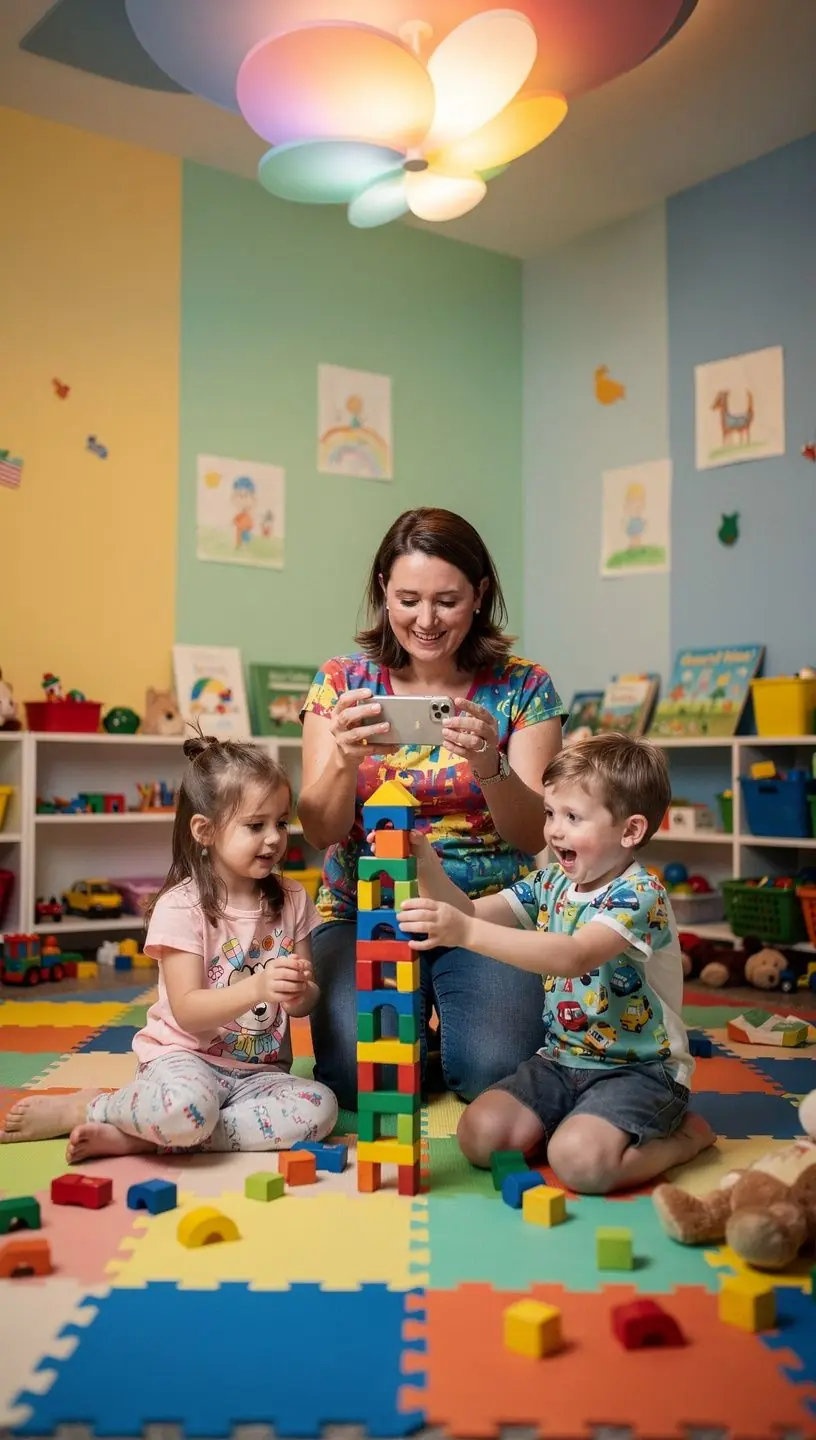
Lighting plays a crucial role in shaping our experiences within a space. According to research, different types of lighting can evoke various emotional responses. For instance, warm lighting is often associated with comfort and relaxation, while cool lighting tends to promote alertness and productivity. This variability is primarily due to how our brains interpret light wavelengths and their effects on our circadian rhythms and mood.

"Lighting design is a powerful tool that can manipulate the atmosphere of a space and influence how we feel." - Lighting Design Expert
The Impact of Color Temperature
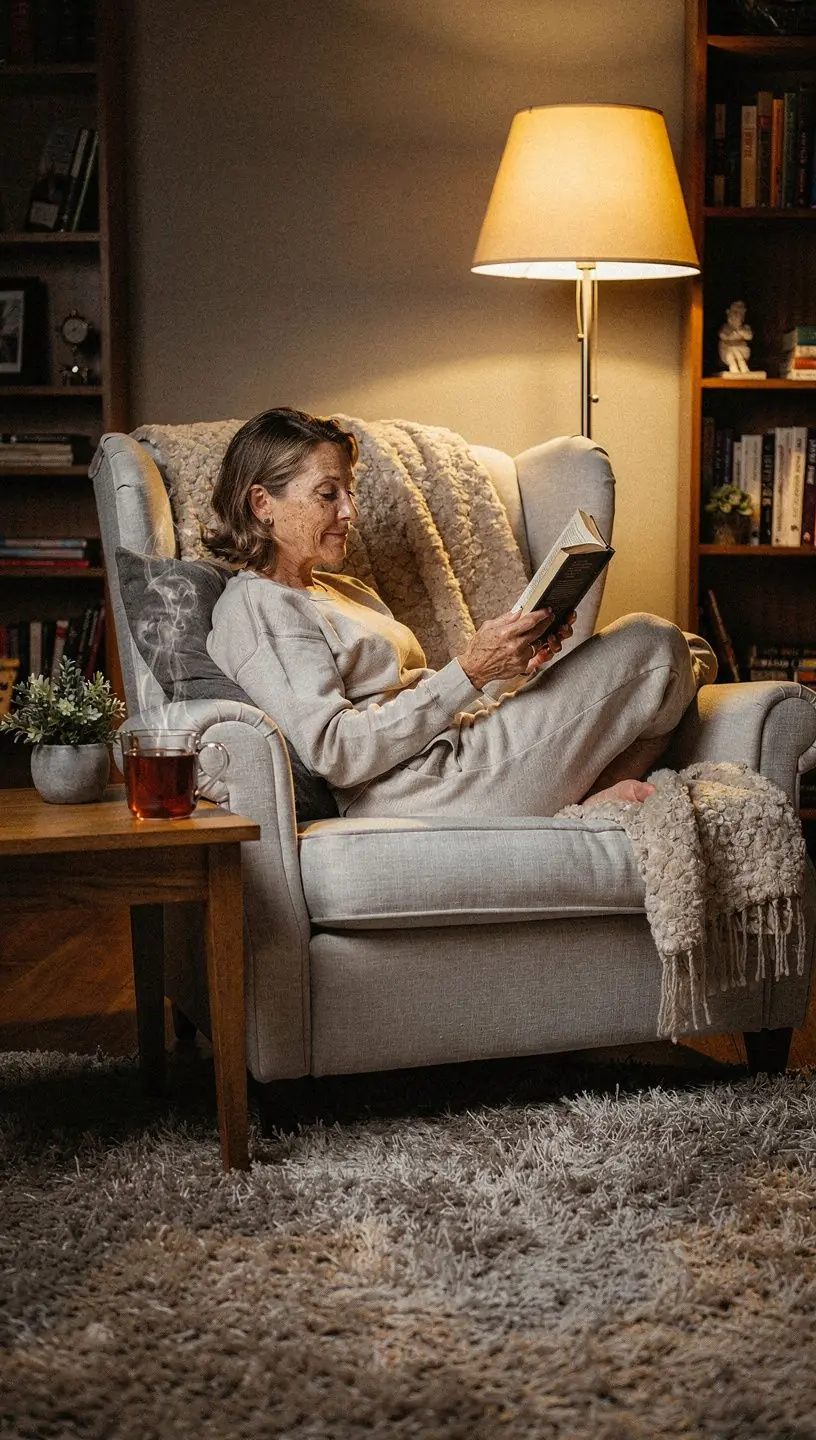
Color temperature is a critical element in lighting design. The scale ranges from warm (around 2700K) to cool (up to 6500K) light. Many users report feeling more relaxed in warm light settings, making it ideal for living rooms and bedrooms. In contrast, cool light is typically found in workspaces, where it can enhance focus and concentration. Studies show that workplaces with adequate lighting can increase productivity by 20-30% in similar contexts.
Practical Application
- When designing a space, consider incorporating layered lighting—a combination of ambient, task, and accent lighting—to create a balanced atmosphere.
- Test different color temperatures in your lighting fixtures. For example, using warm light in the evening can help signal to your body that it’s time to wind down.
- Utilize dimmers to adjust the intensity of light; this can cater to different moods and activities throughout the day.
Understanding User Needs and Preferences
It is essential to acknowledge that lighting preferences can vary widely among individuals. Experts recommend conducting user surveys or assessments to ensure that the lighting design meets the needs of the intended audience. In most cases, a collaborative approach can be beneficial, allowing users to express their feelings about different lighting conditions.
Conclusion
In conclusion, the psychology of lighting design goes beyond mere appearance; it has a significant impact on how we feel and behave in different environments. By understanding the nuances of color temperature, layered lighting, and user preferences, you can create spaces that not only look good but also promote well-being and productivity. Implementing these insights may require time and experimentation, but the results can lead to a more harmonious atmosphere that enhances the overall experience.
Learn More