Understanding the Impact of Natural Light
Natural light significantly influences the atmosphere of a space. This article explores its effects, how it can enhance interior environments, and why understanding its impact is crucial for creating inviting spaces.
The Role of Natural Light in Interior Design
Natural light is a fundamental aspect of interior design that influences both aesthetics and functionality. Research shows that exposure to natural light can improve mood, increase productivity, and promote overall well-being. For instance, a study published by the Harvard Business Review found that workers in environments with ample natural light reported a 51% decrease in eye strain and a 63% decrease in headaches, which are common issues in poorly lit spaces.
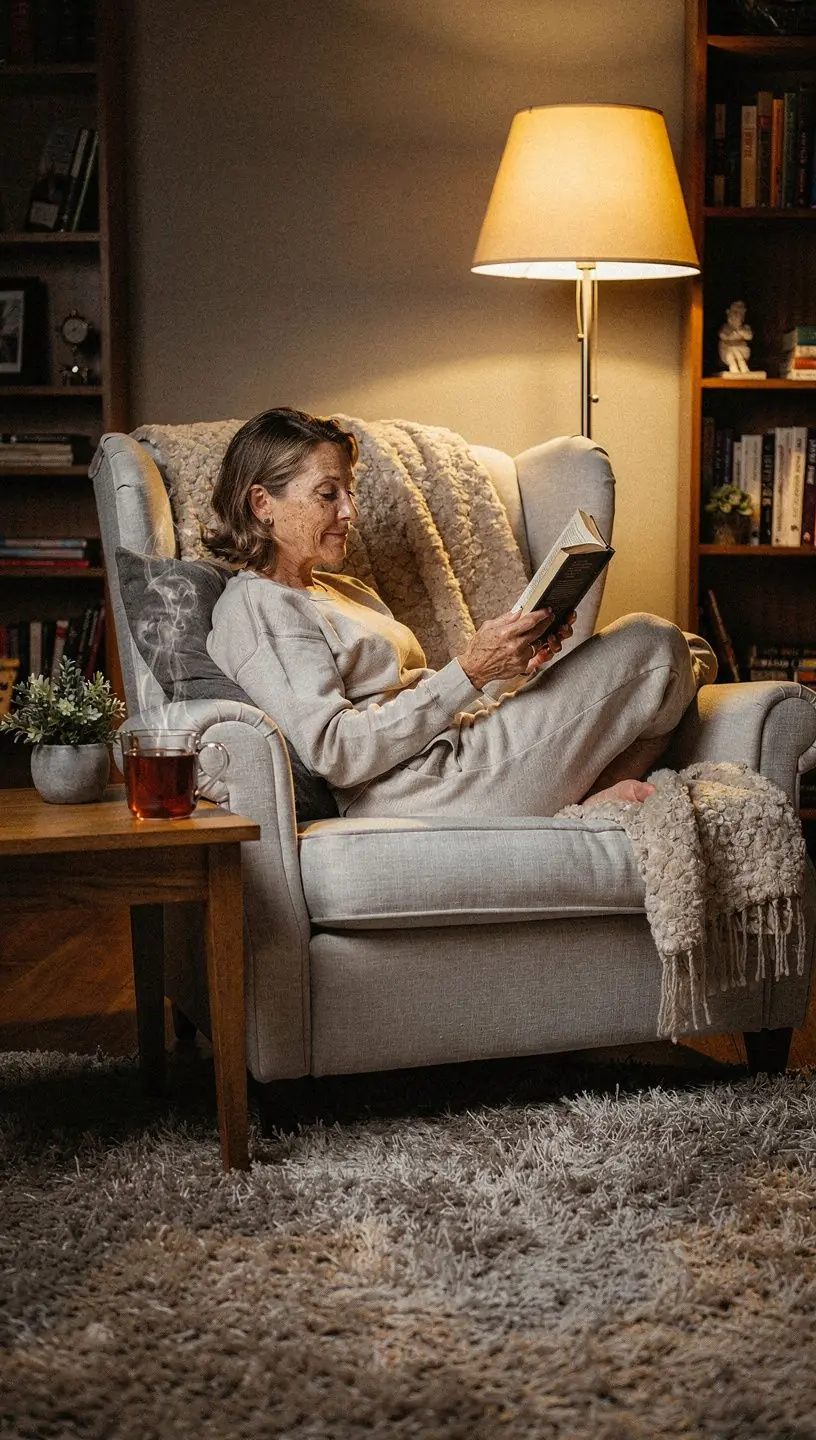
"Natural light not only enhances the beauty of a space but also contributes to the health and productivity of its inhabitants." - Industry Expert
Understanding How Natural Light Affects Atmosphere
Natural light affects the atmosphere of a room in several ways:
- Color Temperature: Natural light has a varying color temperature throughout the day, which can influence how colors appear in a space. This works because the intensity and angle of sunlight can make a room feel warmer or cooler, impacting perceived comfort.
- Shadows and Depth: The way natural light casts shadows can add depth and dimension to interiors. Strategically placed windows can create dynamic light patterns, enhancing the overall aesthetic.
- Connection to the Outdoors: Access to natural light creates a visual connection to the outside environment, which studies suggest can reduce stress and improve mood. Experts recommend incorporating large windows or skylights to maximize this benefit.
Challenges and Considerations
While natural light has many benefits, it’s important to consider the limitations and challenges it may present:
- Glare: Excessive natural light can cause glare, making spaces uncomfortable. This is especially common in areas with large windows facing direct sunlight. Effective solutions include using window treatments or strategically placing mirrors to diffuse light.
- Seasonal Changes: The availability of natural light varies with the seasons. In Latvia, for instance, long winters can limit exposure to sunlight, making it essential to consider artificial lighting solutions as complementary options.
- Design Limitations: Adapting a space to maximize natural light may require significant design alterations, which can involve time and cost. It’s crucial to assess how much renovation is feasible based on the existing layout.
Creating Personalized Lighting Setups
Creating an effective lighting setup often involves a blend of natural and artificial light sources. Here are steps to achieve a well-lit space that enhances atmosphere:
- Assess Natural Light Sources: Identify where natural light enters your space and at what times of the day. This assessment will guide your design decisions.
- Incorporate Reflective Surfaces: Use mirrors or light-colored furnishings to reflect natural light, which can help brighten darker corners of a room.
- Choose Complementary Artificial Lighting: Select artificial lighting that mimics the quality of natural light. LED bulbs with adjustable color temperatures can effectively bridge the gap between day and night.
Conclusion
Understanding the impact of natural light is vital for creating spaces that are not only beautiful but also promote health and well-being. While there are challenges to consider, the benefits of harnessing natural light in your interior design can lead to improved productivity and an enhanced atmosphere. By thoughtfully assessing and integrating natural light into your design, you can create a more inviting and cohesive environment.
Learn More