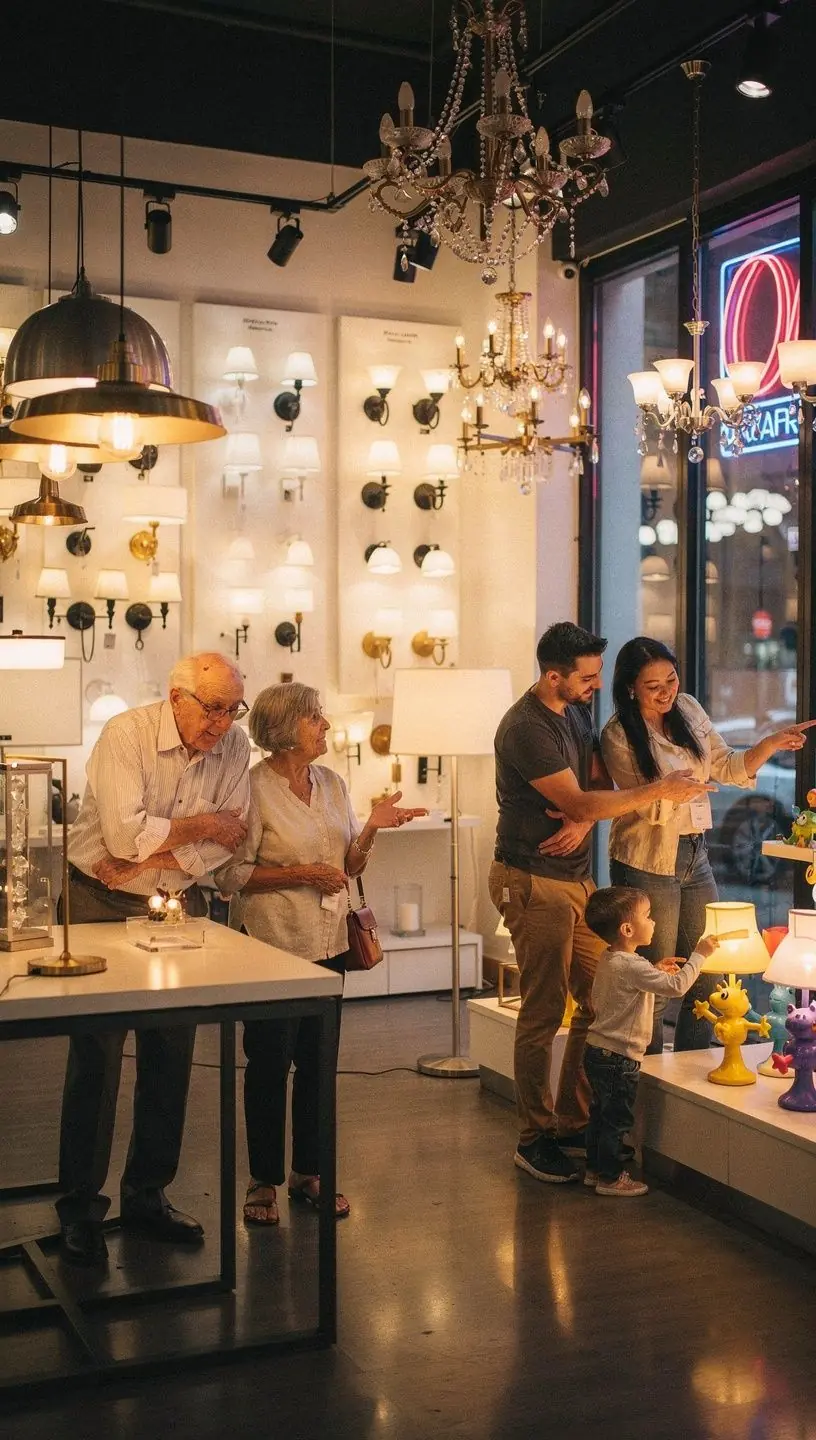
Practical Guide to Lighting Zones in Your Home
Creating the right atmosphere in your home often hinges on effective lighting choices. This guide provides practical insights on establishing lighting zones that enhance both functionality and aesthetic appeal.
Understanding the Basics of Lighting Zones
Lighting zones refer to specific areas within your home that are designed for particular functions and moods. According to industry experts, effective lighting can significantly impact the ambiance of a space, influencing everything from productivity to relaxation.

Studies show that using layered lighting techniques — combining ambient, task, and accent lighting — can improve the overall quality of a room’s atmosphere. This approach allows homeowners to tailor the lighting to suit different activities, such as reading, entertaining, or unwinding after a long day.
"The principle behind effective lighting is to create balance and harmony, allowing each area of your home to serve its intended purpose." - Interior Design Expert
Identifying Key Lighting Zones in Your Home
Typically, a well-designed home features several key lighting zones, each serving different needs:
- Living Room: A space for socializing, requiring soft ambient lighting complemented by task lighting for reading or activities.
- Kitchen: This area benefits from bright, focused task lighting over work surfaces, along with ambient lighting to create a welcoming environment.
- Bedroom: Soft, adjustable lighting is ideal here, allowing for both relaxation and functionality for reading or other activities.
- Bathroom: Bright, even lighting is essential for grooming tasks, while softer lighting can be beneficial for relaxation during baths.
How to Implement Effective Lighting Zones
Implementing lighting zones requires careful planning and consideration of your lifestyle. Here are some steps to create effective zones in your home:
- Assess Your Needs: Determine the primary functions of each room. This assessment will guide your lighting choices and help prioritize where to focus your efforts.
- Choose Layered Lighting: Incorporate a mix of ambient, task, and accent lighting to create depth and flexibility. This method allows you to adapt the lighting to different activities and moods.
- Utilize Dimmers: Experts recommend installing dimmer switches to adjust brightness levels according to the time of day or occasion. This flexibility can significantly enhance the atmosphere of any space.
- Consider Smart Lighting: Many users report success with smart lighting systems that allow for customized settings and remote control, making it easier to manage different lighting zones effectively.
Challenges and Considerations
Creating designated lighting zones may involve a learning curve and requires time and effort. Many homeowners find that adjusting and fine-tuning their lighting systems typically takes a few weeks to achieve the desired results. It's also essential to acknowledge that not all solutions will work for every home or situation. For instance, homes with limited natural light may require additional strategies to achieve effective illumination.
Conclusion
By thoughtfully considering and implementing lighting zones, you can create an inviting and functional atmosphere throughout your home. Remember that the effectiveness of these zones depends on your personal needs and preferences, along with a commitment to experimenting with different lighting solutions. With these practical insights, you are well on your way to enhancing the ambiance of your living spaces.
Learn More