The Role of Color Temperature in Interior Spaces
Understanding color temperature is essential for creating the right atmosphere in interior spaces. This article explores how different color temperatures affect mood, functionality, and overall interior design while providing practical insights for implementation.
Understanding Color Temperature
Color temperature is measured in Kelvin (K) and ranges from warm (below 3000K) to cool (above 5000K). According to experts, the color temperature of lighting can significantly influence how we perceive a space. Warm light, typically in the range of 2700K to 3000K, is often used in residential settings to foster a cozy and inviting atmosphere.

"Research indicates that lighting can affect not only our mood but also our productivity and well-being."
Impact on Mood and Functionality
Different color temperatures can evoke various emotional responses and are suitable for different purposes:
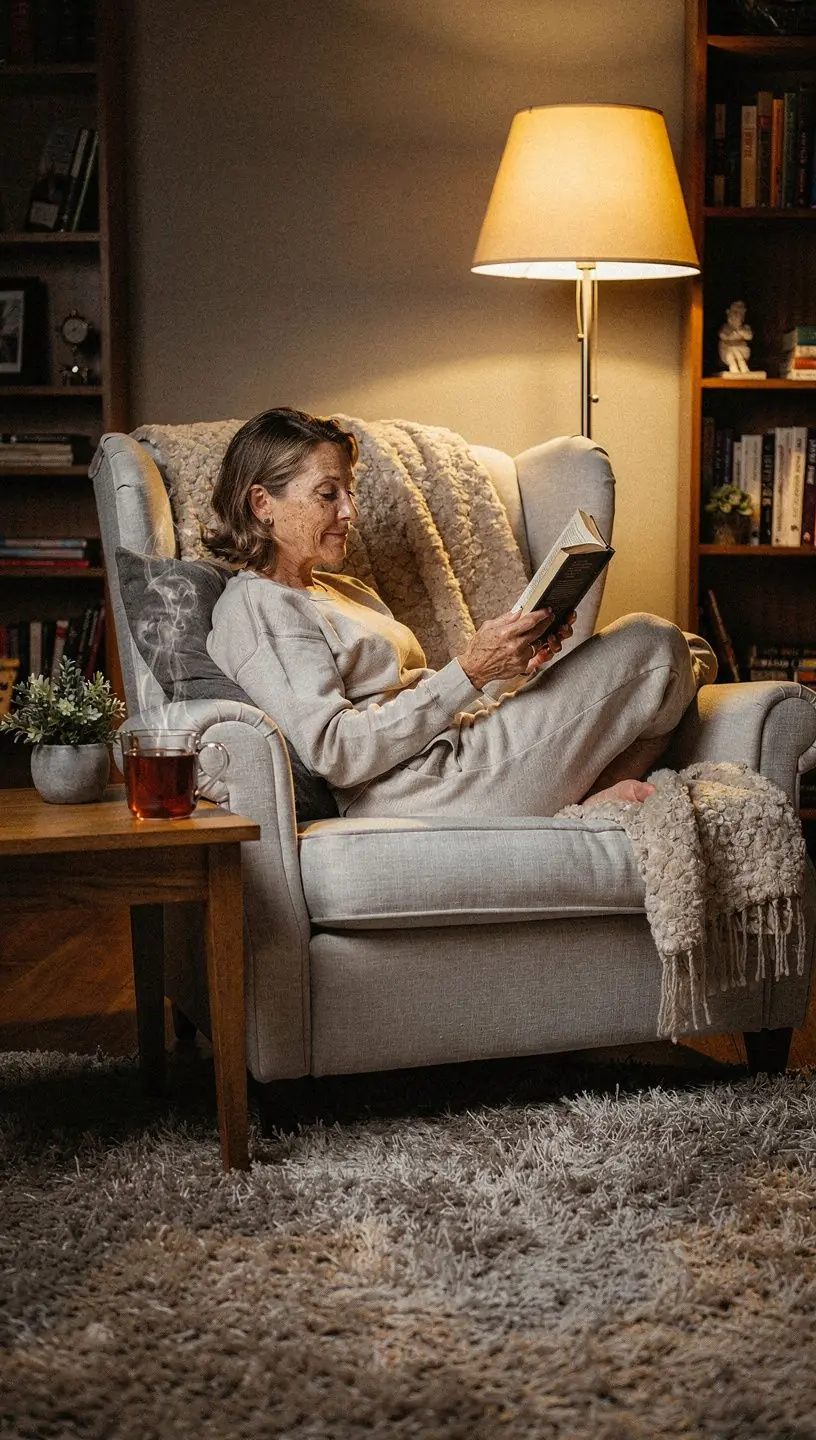
- Warm Light (2700K - 3000K): Often found in living rooms and bedrooms, warm light can create a relaxed and comfortable environment. Studies show that this type of lighting can help reduce stress and promote relaxation.
- Neutral Light (3500K - 4100K): This range is effective for kitchens and bathrooms, providing a balance that mimics natural daylight. Many users report feeling more alert and energized in spaces illuminated with neutral light.
- Cool Light (5000K and above): Frequently used in offices and workspaces, cool lighting can enhance focus and productivity. According to research, exposure to cooler light can increase alertness by up to 20% in similar work environments.
Creating the Right Atmosphere
To effectively use color temperature in your interior spaces, consider the following steps:
- Evaluate the Purpose of the Space: Determine what activities will take place and how lighting can enhance or hinder those activities.
- Select the Appropriate Color Temperature: Based on the purpose, choose a color temperature that aligns with the desired atmosphere. For example, warmer temperatures are generally more suitable for relaxation, while cooler temperatures can facilitate concentration.
- Experiment with Layered Lighting: Combine ambient, task, and accent lighting to create depth and flexibility. This approach allows you to adjust the feel of the space depending on the time of day or activity.
Challenges and Considerations
While selecting the right color temperature can enhance your space, there are a few limitations to keep in mind:
- The transition period to adjust to new lighting can take time, typically requiring a few weeks for users to adapt fully.
- Different people may perceive color temperatures differently, so it’s important to consider the preferences of all users in a shared space.
- Some areas may not be suitable for extreme color temperatures; for instance, very warm lights may not be ideal for detailed work settings as they can induce fatigue.
Conclusion
Incorporating the right color temperature into your interior design can significantly impact the atmosphere and functionality of your space. By understanding the effects of different color temperatures and applying them thoughtfully, you can create environments that enhance mood, productivity, and well-being. Remember, effective use of lighting often involves a combination of different temperatures and an understanding of individual preferences.
Learn More