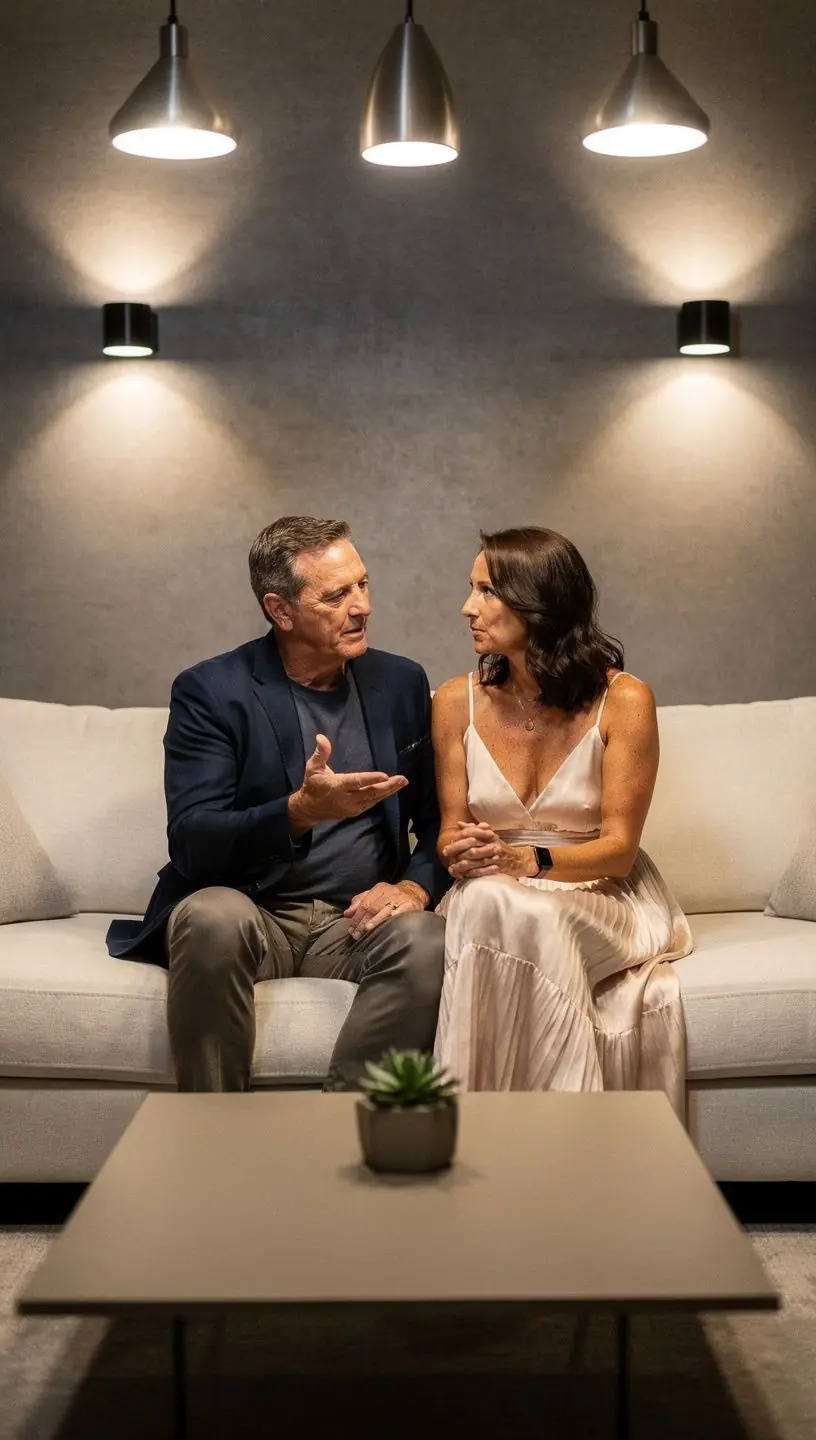
Creating Personalized Lighting Setups for Workspaces
In today's fast-paced work environment, the right lighting can significantly impact productivity, mood, and overall workplace satisfaction. This article aims to provide insights into creating personalized lighting setups that cater to diverse workspace needs while enhancing the atmosphere.
Understanding the Basics of Workspace Lighting
Lighting is a crucial component of workspace design. According to a study published in the Journal of Environmental Psychology, appropriate lighting can enhance focus and reduce fatigue. Research shows that natural light, in particular, can improve employee mood and productivity by up to 20% in office environments.
"Good lighting can directly affect your productivity and comfort levels at work, allowing individuals to perform better and feel less stressed."
Types of Lighting for Workspaces
When creating a personalized lighting setup, consider these primary types of lighting:
- Ambient Lighting: This is the general lighting that fills the room. It is often provided by ceiling fixtures and should ensure adequate illumination without causing glare.
- Task Lighting: Focused lighting that helps you perform specific tasks. For example, desk lamps are often used for reading and writing, providing necessary brightness while reducing eye strain.
- Accent Lighting: Used to highlight particular areas or features in a workspace, accent lighting can contribute to the overall aesthetic and atmosphere.
Steps to Create Your Personalized Lighting Setup
To effectively create a lighting setup that suits your workspace, follow these steps:
- Assess Your Needs: Identify the primary tasks performed in your workspace and the types of lighting required. Consider how the space is used, as this will influence your setup.
- Choose the Right Fixtures: Select fixtures that provide a balance of ambient and task lighting. Adjustable lamps can be particularly useful for tailoring light levels to your needs.
- Incorporate Natural Light: If possible, maximize the use of natural light. Position desks near windows and opt for sheer curtains to enhance daylight while reducing glare.
- Consider Color Temperature: Different tasks may benefit from different color temperatures. Research indicates that cooler light (4000K - 5000K) is effective for work requiring focus, while warmer tones (2700K - 3000K) can create a calming atmosphere.
- Test and Adjust: After setting up your lighting, take time to assess its effectiveness. Many users report that small adjustments can significantly improve comfort and productivity.
Conclusion
Creating a personalized lighting setup is not merely about aesthetics; it’s a practical approach that can lead to improved productivity and well-being in the workplace. By understanding the principles of lighting design and considering individual needs, you can craft an environment that enhances focus and comfort. Remember, results may take some time to manifest, so be prepared to experiment and adjust your setup to find what works best for you.