How to Create Atmosphere with Layered Lighting
Creating the right atmosphere in your space is essential for comfort and functionality. Layered lighting, which involves using multiple light sources to create depth and interest, is a proven method that can significantly enhance the mood of your interiors.
Understanding the Basics of Layered Lighting
Layered lighting typically involves three main types: ambient, task, and accent lighting. According to the Illuminating Engineering Society, these layers work together to provide a comprehensive lighting solution that meets various needs and enhances the overall aesthetic of a space.
1. Ambient Lighting
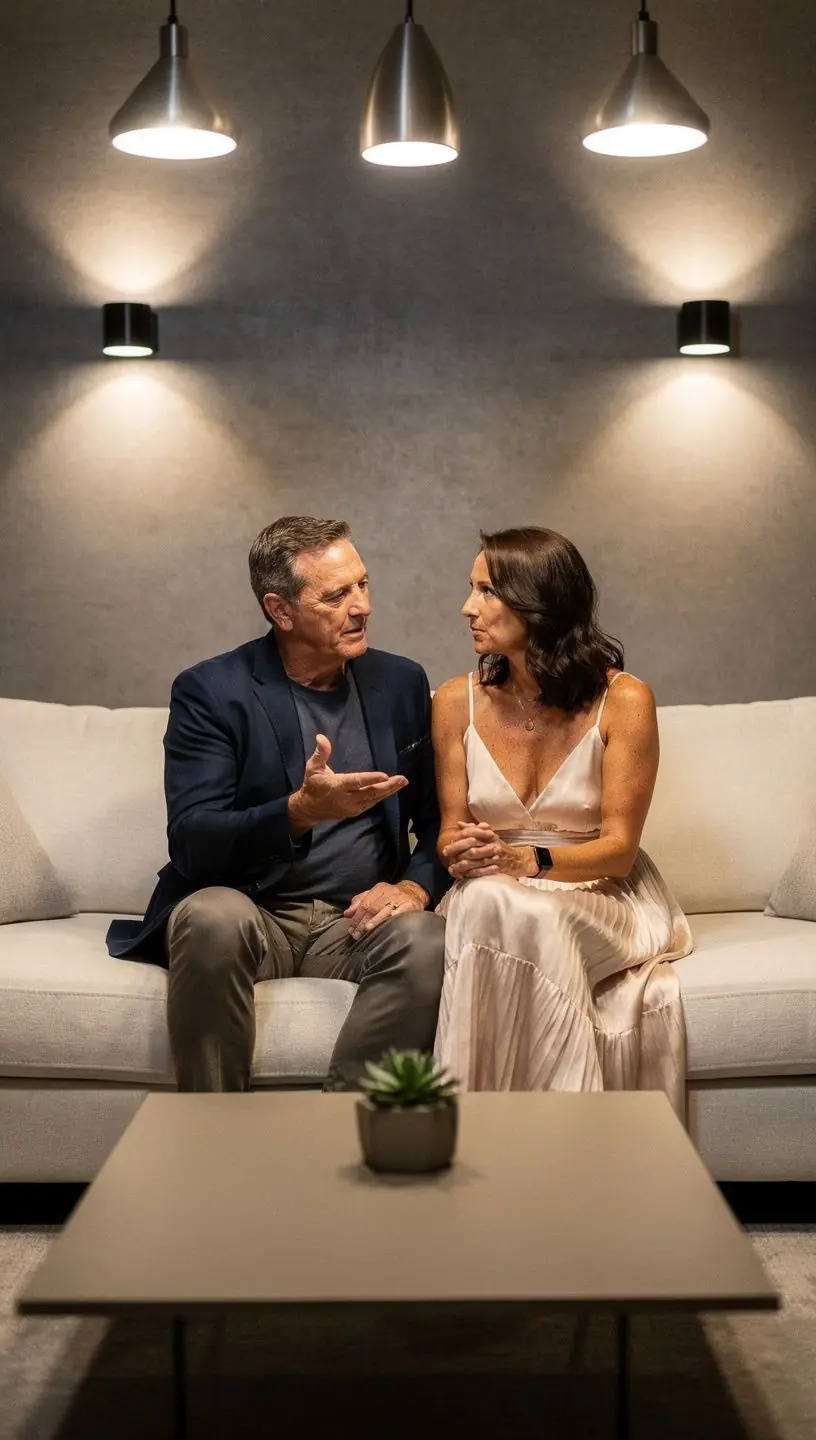
This is the primary source of light in a room, usually produced by ceiling fixtures or wall sconces. Its purpose is to provide overall illumination, ensuring that the space is well-lit and comfortable. Many users report that a well-balanced ambient light level can reduce eye strain and enhance mood, making it a critical component of interior design.
2. Task Lighting
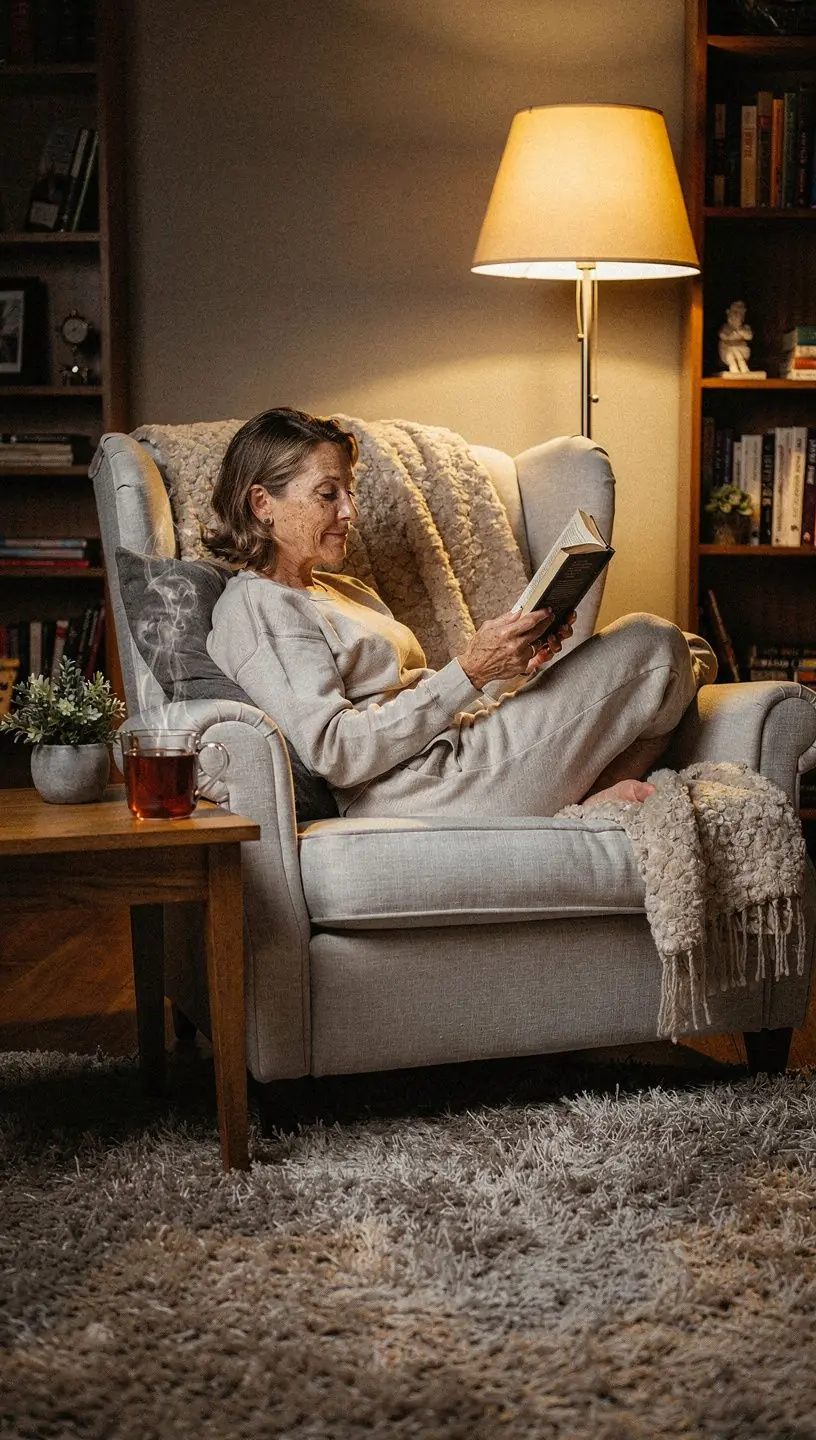
Task lighting focuses on specific areas where activities are performed, such as reading or cooking. Examples include desk lamps, under-cabinet lights in kitchens, or bedside lamps. According to research, appropriate task lighting can improve productivity by up to 20-30% in work environments, as it minimizes shadows and enhances visibility.
3. Accent Lighting
Accent lighting serves to highlight specific features or areas in a room, such as artwork or architectural details. This type of lighting can create focal points and add an element of drama. Experts recommend using accent lighting to enhance the perceived size and depth of a space, making it feel more inviting.
"Layered lighting creates a harmonious balance that transforms ordinary spaces into extraordinary environments." - Interior Design Expert
Practical Application of Layered Lighting
To successfully implement layered lighting in your home or workspace, consider the following steps:
- Assess Your Space: Evaluate the existing lighting and identify areas that require enhancement. This may involve noting activities that take place in each area to determine the appropriate lighting needs.
- Choose the Right Fixtures: When selecting lighting fixtures, consider styles that complement your interior design while adhering to the functional aspects required for each layer.
- Experiment with Placement: The placement of lights dramatically affects the atmosphere. Typically, ambient lights should be evenly distributed, task lights should focus directly on work areas, and accent lights should be strategically placed to highlight features.
Conclusion
Layered lighting is an effective approach to creating an inviting atmosphere in any space. By understanding the principles of ambient, task, and accent lighting, and applying them thoughtfully, you can enhance the functionality and aesthetic appeal of your interiors. Remember, achieving the desired atmosphere may require adjustments and experimentation, but the results can significantly improve the comfort and enjoyment of your environment.