How Lighting Can Transform Small Spaces
Lighting plays a crucial role in shaping the atmosphere of any room, particularly in small spaces. Understanding how to utilize lighting effectively can enhance the functionality and visual appeal of limited areas.
Understanding the Basics of Lighting
According to studies conducted by the Illuminating Engineering Society, proper lighting can significantly influence the perception of space. This is particularly relevant in smaller areas where effective lighting strategies can create an illusion of openness and comfort.
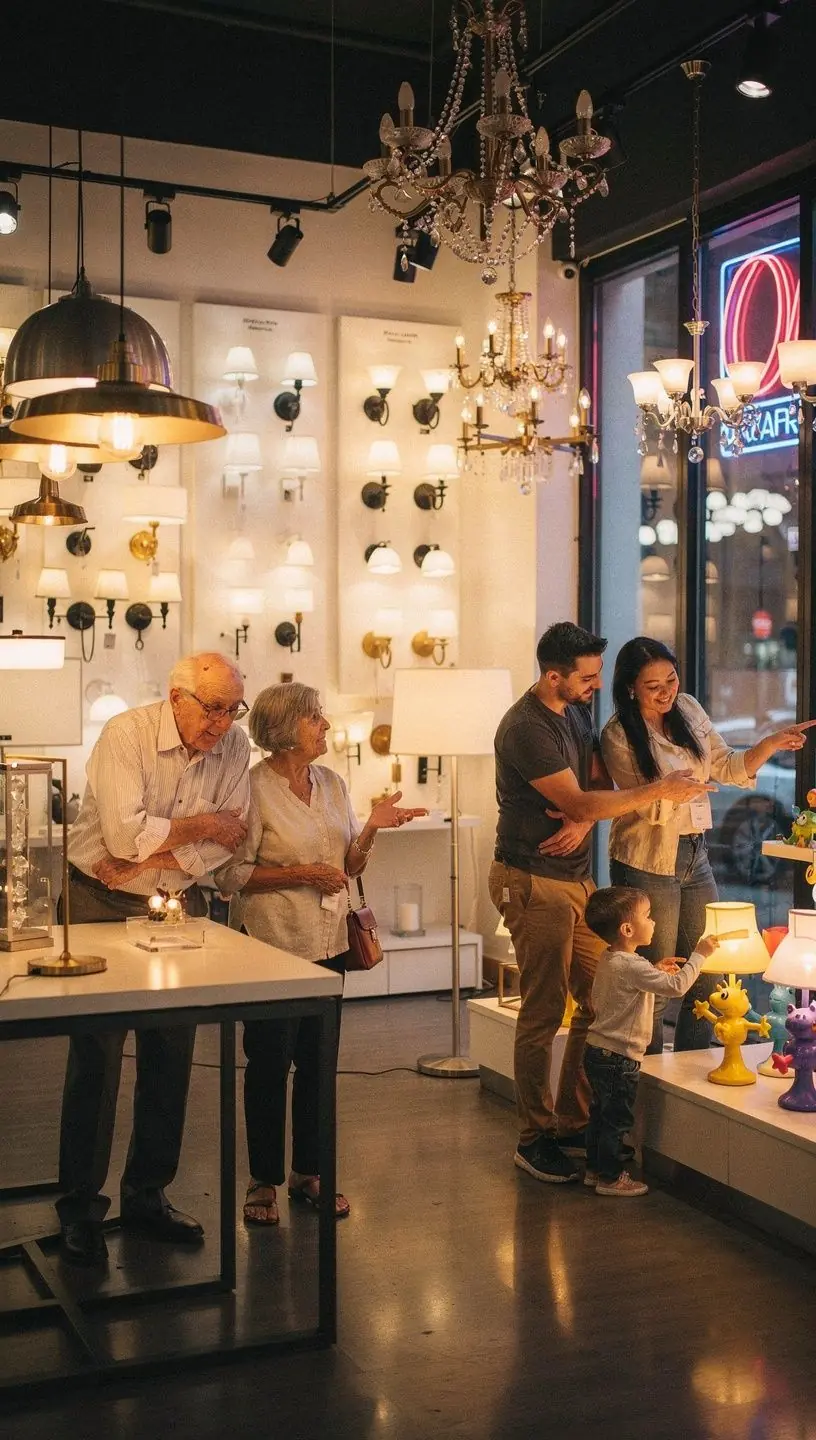
The principles behind effective lighting involve both the intensity and placement of lights. For instance, experts recommend using a combination of ambient, task, and accent lighting to achieve a layered effect that enhances the room's dimensions.
"A well-lit small space can feel more inviting and spacious, improving both aesthetic appeal and functionality." - Lighting Design Expert
Practical Application in Small Spaces
When considering how to transform a small area through lighting, it is essential to adopt specific strategies:
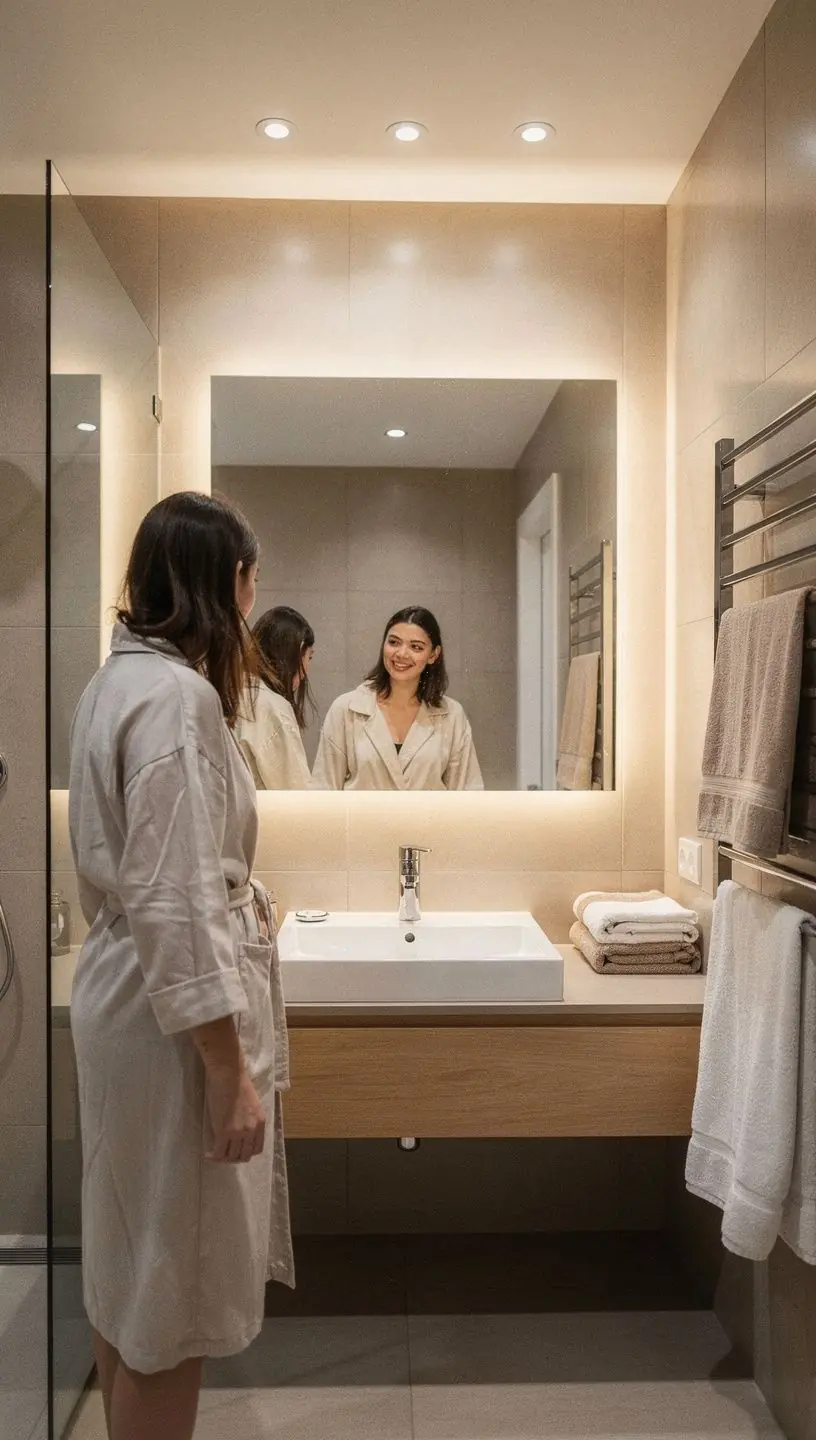
- Use Mirrors Strategically: Placing mirrors opposite light sources can reflect light, creating the perception of a larger space. According to design experts, this trick can enhance brightness and depth.
- Incorporate Multi-functional Fixtures: Opt for fixtures that provide multiple light settings. For example, adjustable floor lamps or dimmable ceiling lights allow users to tailor the lighting based on the time of day or activity.
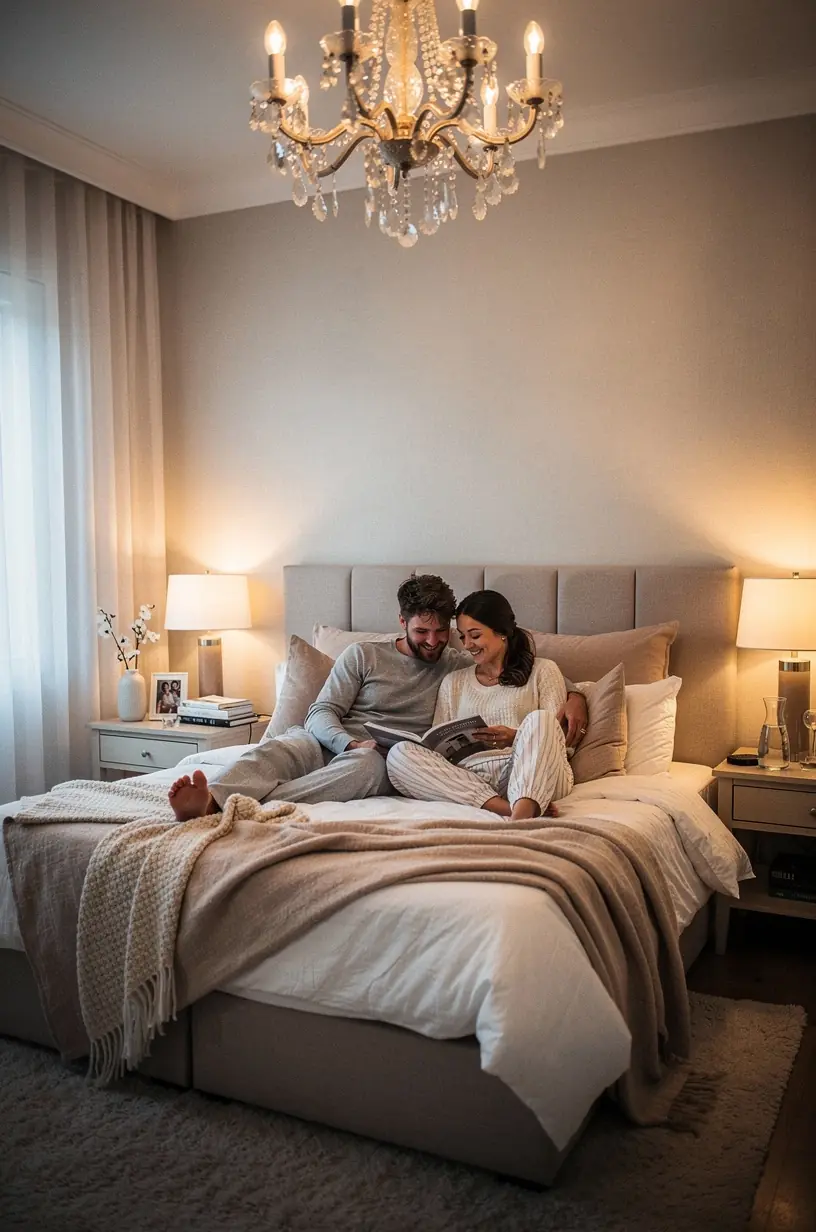
- Select Light Colors Wisely: Lighter colors for lampshades or bulbs can maximize brightness. Research shows that warm white or soft white light can create an inviting atmosphere that complements small spaces.
Considerations for Optimal Results
Implementing effective lighting in small spaces typically requires thoughtfulness in selection and placement. Here are some considerations:
- Lighting adjustments may require a trial-and-error approach; results typically appear within a few days as you refine your arrangements.
- While layering light can enhance aesthetics, ensure that the total wattage does not exceed electrical standards, which can vary by region.
- Always consider the existing architecture when designing your lighting. In some cases, built-in lighting solutions may be more suitable than portable fixtures.
Conclusion
Transforming small spaces with lighting is an effective approach that has helped many users maximize their living areas. By understanding the principles of light placement and utilizing various types of lighting, individuals can create inviting atmospheres without sacrificing functionality. Remember, the key to success lies in experimentation and thoughtful planning.
Learn More